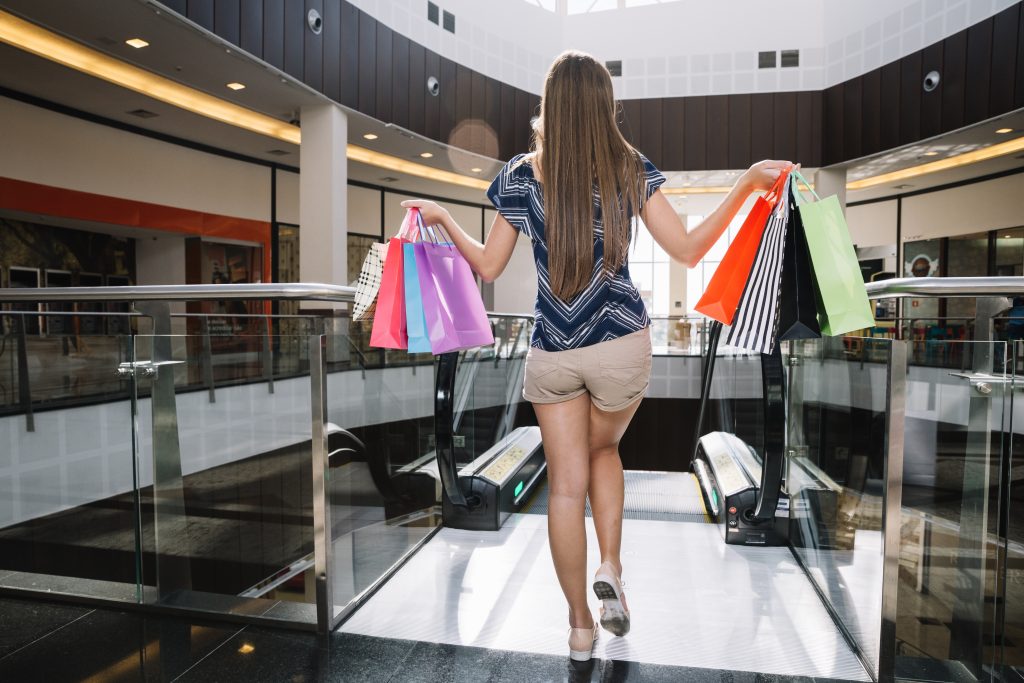
A customer walks into your retail store, glances at the floors, which show visible dirt, notices smudged glass on your display cases, and sees restrooms that smell questionable. They leave within three minutes without making a purchase. You just lost a sale, and you’ll never know why because customers don’t complain about cleanliness—they just leave.
At EBS, we’ve cleaned retail stores across Los Angeles, Orange County, and San Diego for over 65 years. We’ve watched stores transform sales performance after implementing proper cleaning programs, and we’ve seen successful retailers lose customers gradually as facility maintenance declined.
This guide explains how retail store cleanliness directly impacts sales and customer behavior, the specific cleaning priorities that matter most for retail environments, and what professional retail cleaning actually entails in Southern California’s competitive market.
Why Retail Store Cleanliness Affects Sales
The connection between cleanliness and retail sales is direct and measurable:
First Impressions Happen Instantly
Customers form impressions within 3-5 seconds of entering retail stores. Cleanliness is one of the first things they notice, often subconsciously:
Visible Dirt or Disorder: Customers immediately sense the level of facility maintenance through floor cleanliness, display organization, and overall tidiness.
Odors: Unpleasant smells register instantly and negatively affect the entire shopping experience, regardless of product quality.
Restroom Conditions: Customers who check restrooms make immediate judgments about the entire business based on the cleanliness of the restrooms.
Surface Cleanliness: Dusty displays, smudged glass, and dirty fixtures signal lack of attention to detail, affecting product perception.
These first impressions directly influence whether customers stay to shop or leave quickly.
Cleanliness Affects Perceived Value
Store cleanliness influences how customers perceive product quality and value:
Clean Stores = Quality Products: Customers subconsciously associate clean, well-maintained stores with higher quality merchandise. The same product in a clean store versus a dirty store is perceived differently.
Dirty Stores = Reduced Value: Visible dirt makes customers question product quality, freshness, and value. They assume products might be old, damaged, or lower quality.
Price Sensitivity: Customers are more price-sensitive in stores that appear poorly maintained. They question whether prices are justified. Clean stores support premium pricing better.
Trust Factor: Store cleanliness affects customer trust in the business. Clean stores suggest attention to detail and a genuine care for the customer experience.
Shopping Comfort Affects Dwell Time
How long customers stay in stores directly affects sales:
Clean Stores = Longer Visits: Customers spend more time in clean, pleasant environments. Longer visits result in more browsing and a higher purchase probability.
Uncomfortable Environments = Quick Exits: Unpleasant odors, visible dirt, or questionable cleanliness cause customers to leave faster, reducing sales opportunities.
Fitting Room Decisions: Clean fitting rooms increase try-on rates. Customers reluctant to use dirty fitting rooms are less likely to purchase clothing.
Repeat Visit Likelihood: Customers remember store cleanliness (or lack thereof) when deciding where to shop next time.
Contact EBS for retail store cleaning services throughout Southern California that understand how cleanliness affects retail sales and customer behavior.

The Real Cost of Poor Retail Store Cleanliness
Inadequate retail cleaning costs more than just cleaning service savings:
Lost Sales from Customer Exit
When customers leave due to cleanliness concerns, you lose immediate sales plus future purchases:
Single Visit Loss: One customer leaving without purchasing might cost $50-500 depending on your merchandise and average sale.
Lifetime Value Loss: That customer probably won’t return. Losing lifetime customer value (typically 10-50+ purchases over years) costs thousands per lost customer.
Word-of-Mouth Damage: Customers tell friends about unpleasant retail experiences. One person’s bad experience affects potential sales to their entire network.
Online Review Impact: Customers increasingly mention cleanliness in online reviews. Negative reviews about dirty stores deter potential customers you’ll never meet.
For a retail store losing just two customers daily due to cleanliness issues at $100 average sale, that’s $73,000 in lost annual sales—far more than professional cleaning costs.
Reduced Sales from Remaining Customers
Customers who stay despite cleanliness issues often spend less:
Faster Shopping: Uncomfortable environments cause rushed shopping with fewer impulse purchases.
Lower Trust: Cleanliness concerns reduce willingness to pay full price. Customers negotiate harder or wait for sales.
Reduced Browsing: Customers focus on specific items rather than exploring full inventory, missing additional purchase opportunities.
Damaged Brand Perception
Poor cleanliness affects overall brand:
Discount Store Perception: Premium retailers appearing poorly maintained lose premium positioning. Customers assume you’re struggling financially or don’t care about customer experience.
Inconsistent Brand Message: Stores investing in attractive design and displays while neglecting cleanliness send confused messages about values and attention to detail.
Competitive Disadvantage: When competing retailers maintain cleaner stores, customers choose those locations even if product selection or pricing is similar.
Ready to protect your retail sales through proper store maintenance? Call EBS at (800) 558-9815 for professional retail cleaning throughout Los Angeles, Orange County, and San Diego areas.
Retail Cleaning Priorities That Actually Matter
Not all cleaning tasks equally affect customer experience. Focus on what customers notice most:
Priority #1: Entrance and Front Windows
Your entrance is where first impressions form:
Exterior Windows and Glass:
- Smudged, dirty windows make entire stores look neglected
- Customers often judge stores by window cleanliness before entering
- Fingerprints, dust, and streaks accumulate quickly on storefront glass
- Professional window cleaning maintains clarity and shine
Entrance Floors:
- First few feet inside entrance accumulate dirt from foot traffic
- Visible dirt immediately affects customer impression
- Entry mats trap some contamination but need regular cleaning
- Entrance floors need multiple daily cleanings in high-traffic stores
Door Hardware:
- Handles and push plates show fingerprints and smudges
- These high-touch surfaces need frequent cleaning and polishing
- Dirty door hardware suggests overall neglect
Priority #2: Sales Floor and Displays
Where customers spend most time shopping:
Display Surfaces:
- Dust on displays makes merchandise look old or neglected
- Product displays need daily dusting maintaining appearance
- Glass display cases show fingerprints and smudges quickly
- Shelving and fixtures accumulate dust affecting product presentation
Floor Cleanliness:
- Visible dirt on floors throughout the store affects comfort
- High-traffic areas need multiple daily attention
- Spills and debris need immediate cleanup preventing slip hazards
- Floor finish and shine affect overall store appearance
Mirrors and Reflective Surfaces:
- Smudged mirrors reduce customer ability to see how products look
- Clean mirrors enhance shopping experience
- Fingerprints and dust accumulate quickly requiring frequent attention
Priority #3: Fitting Rooms and Dressing Areas
Where purchase decisions finalize:
Fitting Room Interiors:
- Customers notice every detail in fitting rooms where they’re alone
- Dust, debris, hair, or stains are especially off-putting
- Mirrors must be spotless for customers evaluating appearance
- Hooks, benches, and all surfaces need thorough cleaning
Between-Use Cleaning:
- High-volume stores need fitting room checks after each use
- Quick tidying and surface wiping between customers
- Immediate attention to any items left behind or messes
Odor Management:
- Fitting room odors from perfume, body odor, or poor ventilation deter use
- Proper ventilation and cleaning prevent odor buildup
- Air fresheners mask but don’t solve underlying cleanliness issues
Priority #4: Restrooms
Restroom cleanliness affects overall store perception:
Customer Restroom Standards:
- Retail restrooms must be immaculate if customer-facing
- Customers judge entire businesses by restroom conditions
- Poor restrooms cause customers to leave stores immediately
- Luxury retailers especially need exceptionally clean restrooms
Multiple Daily Cleaning:
- High-traffic retail stores need restroom checks every 2-3 hours minimum
- Restocking supplies, emptying trash, quick cleaning between deep cleanings
- Immediate response to any messes or issues
Odor Control:
- Restroom odors are among the most off-putting factors for retail customers
- Proper ventilation and thorough cleaning prevent odors
- Air fresheners supplement but don’t replace cleaning
Priority #5: Checkout Areas
Final impression as customers complete purchases:
Counter Cleanliness:
- Checkout counters need consistent cleaning and organization
- Clutter affects customer experience during transaction
- Dust, fingerprints, and debris accumulate quickly
- Professional appearance reinforces positive purchase decision
Floor Areas:
- Checkout zones often have trash or debris from customers
- Multiple daily attention needed in busy stores
- Clean floors during transaction enhance experience
Retail Cleaning Frequency Requirements
Different retail types need different cleaning schedules:
High-Traffic Fashion Retail:
- Floor cleaning: 3-4 times daily in peak season
- Display dusting: Daily
- Fitting rooms: Check after each use, deep clean 2-3 times daily
- Restrooms: Check every 2 hours
- Windows: Weekly exterior, daily interior touchup
Boutique Specialty Stores:
- Floor cleaning: 1-2 times daily
- Display dusting: Daily
- Fitting rooms: Check 2-3 times daily
- Restrooms: Daily deep clean, check throughout day
- Windows: Bi-weekly exterior, regular interior
Large Format Retail:
- Floor cleaning: Continuous throughout operating hours
- Display dusting: Daily in high-traffic sections
- Fitting rooms: Check every 1-2 hours
- Restrooms: Check hourly, clean 3-4 times daily
- Windows: Weekly exterior, daily spot cleaning
Grocery and Food Retail:
- Floor cleaning: Continuous throughout day
- Display cleaning: Multiple times daily
- Spill response: Immediate
- Restrooms: Check hourly minimum
- Special attention to food safety standards
Professional retail cleaning services customize schedules based on traffic patterns, store type, and customer expectations rather than using generic approaches.

Southern California Retail Cleaning Considerations
Regional factors affect retail cleaning needs:
Los Angeles Retail Environment
LA’s diverse retail landscape from Rodeo Drive to neighborhood shops:
High-End Retail Standards: Luxury retailers in Beverly Hills, Rodeo Drive, and upscale malls maintain exceptional cleanliness matching premium positioning. Customer expectations are extremely high.
Tourist-Heavy Locations: Stores in tourist areas (Hollywood, Venice, Santa Monica) experience high traffic requiring frequent cleaning attention.
Urban Contamination: City environment means more dust, grime, and exterior window cleaning needs.
Competitive Market: LA’s retail density means customers have many options. Cleanliness differentiates stores.
Orange County Retail Standards
OC’s affluent demographics demand high standards:
Shopping Center Competition: South Coast Plaza, Fashion Island, and other premier shopping destinations maintain exceptional facility standards. Individual retailers must match these expectations.
Family-Oriented Retail: Many OC retailers cater to families requiring especially clean restrooms and family-friendly environments.
Suburban Expectations: OC suburban shoppers expect and notice facility maintenance quality.
San Diego Retail Considerations
San Diego‘s beach culture affects retail:
Casual Atmosphere with High Standards: San Diego‘s relaxed culture doesn’t mean relaxed cleanliness. Customers still expect clean stores.
Sand and Beach Contamination: Stores near beaches deal with sand tracking requiring aggressive floor cleaning.
Outdoor-Indoor Flow: Many San Diego retail locations blend indoor/outdoor spaces requiring flexible cleaning approaches.
Tourist Seasons: Peak tourist seasons require increased cleaning frequency.
Inland Empire Retail Growth
Rapidly growing retail in Riverside and San Bernardino:
New Store Standards: Many recently opened retailers need cleaning services protecting new facilities.
Value-Oriented Market: Cost-conscious region still expects clean stores. Balance cost-effectiveness with necessary standards.
Climate Factors: Inland climate means significant dust requiring aggressive cleaning.
Professional vs. In-House Retail Cleaning
Retailers face decisions about cleaning approaches:
Professional Retail Cleaning Services:
Advantages:
- Specialized equipment for retail environments
- Trained staff understanding retail cleaning priorities
- Flexible scheduling around store hours
- Systematic approaches ensuring comprehensive coverage
- Accountability through contracts and quality guarantees
- Scale resources up/down for seasonal needs
Considerations:
- Higher cost than minimal in-house efforts
- Requires coordination and communication
- Need to verify retail-specific experience
In-House Cleaning Staff:
Advantages:
- Immediate availability during store hours
- Familiarity with specific store layout and needs
- Direct control and supervision
- Can address immediate issues quickly
Considerations:
- Requires hiring, training, and managing staff
- Need proper equipment and supplies
- Staff availability affects cleaning consistency
- May lack specialized expertise
- Employment costs and liability
Hybrid Approaches:
Many successful retailers use both:
- In-house staff for continuous maintenance during operating hours
- Professional services for deep cleaning after closing
- Professional services for specialized tasks (windows, floors, etc.)
This combination provides continuous attention with periodic deep service maintaining high standards.
What to Expect from Professional Retail Cleaning Services
Quality retail cleaning services understand retail environments:
Retail-Specific Scheduling:
- Work around store hours without disrupting customers
- Deep cleaning after closing
- Light maintenance during slow periods
- Flexible scheduling for extended holiday hours
Understanding Retail Priorities:
- Focus on customer-facing areas most affecting sales
- Respect merchandise and displays
- Understand that customer experience drives priorities
- Quick response to spills or urgent issues
Appropriate Products and Methods:
- Products safe for merchandise and display fixtures
- Methods that don’t damage store finishes or equipment
- Eco-friendly options for retailers with sustainability commitments
Quality Control:
- Systematic checklists ensuring comprehensive coverage
- Regular inspection of work quality
- Responsive to retailer feedback and concerns
Measuring Cleaning Impact on Retail Performance
Track whether cleaning affects sales:
Customer Feedback:
- Monitor online reviews mentioning cleanliness
- Track customer compliments or complaints
- Survey customers about shopping experience
Sales Data:
- Compare sales before and after improved cleaning
- Track conversion rates (visitors to purchases)
- Monitor average transaction size
Employee Feedback:
- Staff notice customer reactions to store conditions
- Employees see correlation between cleanliness and sales
Competitive Position:
- Mystery shop competitors noting cleanliness
- Assess whether your standards match or exceed competition
Frequently Asked Questions
How much should retail stores budget for professional cleaning?
Typical retail cleaning costs vary by store size, traffic, and service level. Small boutiques (under 2,000 sq ft) might budget $400-800 monthly for professional after-hours cleaning. Medium stores (2,000-5,000 sq ft) typically $800-1,500 monthly. Large retail (5,000-15,000 sq ft) often $1,500-4,000+ monthly depending on traffic and requirements. High-traffic stores or those requiring daytime maintenance need higher budgets. Consider this an investment in sales, not just an expense. Professional cleaning often pays for itself through increased sales and customer retention.
Should we use in-house staff or professional services for retail cleaning?
Most successful retailers use hybrid approaches: in-house staff for continuous maintenance during hours plus professional services for deep cleaning after closing. This provides immediate response to spills and issues while ensuring comprehensive deep cleaning. Small boutiques might manage with only professional after-hours cleaning. Large stores often need both. Consider your traffic volume, hours, budget, and management capacity when deciding.
How do we maintain cleanliness during busy retail seasons without disrupting customers?
Increase cleaning frequency during peak seasons: more frequent floor attention during hours, additional restroom checks, more regular display dusting. Professional services can scale staffing for seasonal needs. Schedule most intensive cleaning for slower periods or after closing. Train staff to clean efficiently without disrupting shopping. Consider temporary additional in-house staff during peak seasons. Plan ahead for holiday seasons increasing service levels before peak traffic begins.
What’s the most important cleaning priority for retail stores?
Entry and front windows create first impressions affecting whether customers enter. Once inside, sales floor and display cleanliness affects browsing and purchase decisions. Fitting rooms influence final purchase choices. Restrooms affect overall store perception. All matter, but if forced to prioritize limited budgets, focus on entry, sales floor, and restrooms—the areas most affecting customer decisions to enter, stay, and return.
Protecting Retail Sales Through Professional Cleaning
Retail store cleanliness directly affects sales, customer behavior, and business success. In Southern California’s competitive retail environment where customers have endless options, facility maintenance differentiates successful retailers from struggling ones.
Professional retail cleaning services protect sales by maintaining environments that attract customers, keep them shopping longer, and encourage return visits. The investment in proper cleaning typically generates positive ROI through increased sales and customer retention.
At EBS, we provide specialized retail store cleaning throughout Los Angeles, Orange County, San Diego, Riverside, San Bernardino, and Ventura County. We understand retail environments, customer expectations, and how cleaning priorities affect sales performance.
Get a free assessment for your Southern California retail store. EBS serves retailers of all types including fashion boutiques, specialty shops, department stores, grocery stores, and shopping centers. Contact us today at (800) 558-9815 or request your free retail cleaning consultation online. Let’s discuss how professional retail cleaning supports your sales and customer experience.