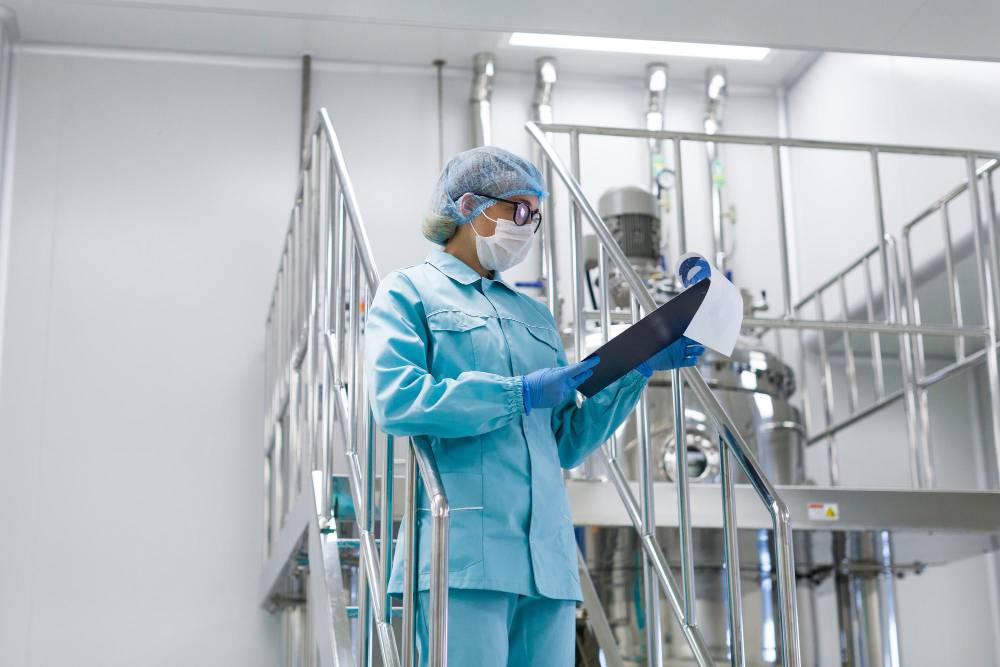
Your Irvine biotech facility operates under strict ISO cleanroom classifications. Contamination control is critical. Product quality depends on environmental standards. Yet you’re using a commercial cleaning company that treats your cleanroom like a regular office, doesn’t understand particle counts, and can’t provide the documentation regulatory audits require.
At EBS, we’ve provided specialized cleaning services for pharmaceutical and biotech facilities throughout Orange County for over 65 years. We understand the fundamental difference between commercial cleaning and cleanroom maintenance, and we know what regulatory compliance actually requires.
This guide explains what pharmaceutical and biotech cleanroom cleaning actually involves, the compliance standards Orange County life sciences facilities must meet, and how to identify cleaning services with genuine cleanroom expertise serving Irvine, Lake Forest, and Southern California’s pharmaceutical corridor.
Why Pharmaceutical Cleanroom Cleaning Requires Specialized Expertise
Cleanrooms aren’t just “really clean rooms”—they’re controlled environments with specific requirements:
ISO Classification Standards
Cleanrooms are classified by allowable particle counts per cubic meter:
ISO Class 5 (Class 100): Strictest classification for critical pharmaceutical manufacturing, aseptic processing, and sterile product handling. Maximum 3,520 particles (≥0.5 μm) per cubic meter.
ISO Class 6 (Class 1,000): Used for pharmaceutical compounding, biotech research, and areas adjacent to Class 5 spaces. Maximum 35,200 particles (≥0.5 μm) per cubic meter.
ISO Class 7 (Class 10,000): Common for pharmaceutical packaging, some biotech lab work, and buffer zones. Maximum 352,000 particles (≥0.5 μm) per cubic meter.
ISO Class 8 (Class 100,000): Lower-level controlled environments, pharmaceutical warehousing, and some lab spaces. Maximum 3,520,000 particles (≥0.5 μm) per cubic meter.
Standard commercial cleaning introduces contaminants that violate these classifications. Cleanroom cleaning uses specialized protocols preventing particle introduction while removing existing contamination.
GMP Compliance Requirements
Current Good Manufacturing Practice (cGMP) regulations govern pharmaceutical manufacturing:
FDA 21 CFR Part 211: Establishes requirements for pharmaceutical manufacturing facilities including environmental controls, cleaning validation, and documentation.
EU GMP Annex 1: For facilities with international operations, establishes cleanroom and clean air device standards.
Cleaning Validation: Pharmaceutical facilities must validate cleaning procedures demonstrate effective contamination removal and don’t introduce new contaminants.
Documentation: Every cleaning event requires documentation proving compliance. Standard commercial cleaners can’t provide this.
Contamination Control Protocols
Pharmaceutical and biotech facilities require contamination control throughout cleaning:
Particle Generation Prevention: Cleaning materials, techniques, and staff behavior must minimize particle generation.
Cross-Contamination Prevention: Cleaning between different product areas requires protocols preventing product transfer.
Viable Contamination Control: Beyond particle counts, preventing microbial contamination requires specific disinfection protocols.
Material Compatibility: Cleaning agents must be compatible with cleanroom surfaces and not leave residues affecting product quality.
Standard commercial cleaning ignores these requirements, creating compliance violations and product quality risks.
Contact EBS for cleanroom cleaning services throughout Orange County‘s pharmaceutical and biotech corridor. We understand ISO classifications, GMP compliance, and contamination control protocols.
Orange County’s Pharmaceutical and Biotech Landscape
Southern California, particularly Orange County, hosts a concentrated life sciences industry:
Irvine Life Sciences Hub
Irvine represents Orange County‘s largest biotech and pharmaceutical concentration:
Irvine Spectrum Area: Major pharmaceutical companies, biotech startups, contract research organizations (CROs), and medical device manufacturers concentrate in this region.
University Research Park: UCI-affiliated research facilities and spin-off companies create demand for compliant cleanroom services.
Corporate Headquarters: Several pharmaceutical companies maintain Orange County headquarters with research facilities requiring cleanroom maintenance.
Facility Types: Ranges from small biotech startups with single cleanrooms to major pharmaceutical operations with extensive controlled environments.
Lake Forest Pharmaceutical Presence
Lake Forest hosts pharmaceutical and medical device facilities:
Manufacturing Operations: Several pharmaceutical manufacturing facilities operate in Lake Forest requiring GMP-compliant cleaning.
Medical Device Companies: Device manufacturers with cleanroom requirements for assembly and packaging operations.
Contract Manufacturing: CMOs serving pharmaceutical clients need validated cleaning programs.
Broader Orange County Life Sciences
Beyond Irvine and Lake Forest, pharmaceutical and biotech facilities operate throughout Orange County:
Newport Beach/Costa Mesa: Biotech companies and pharmaceutical research facilities.
Tustin/Santa Ana: Contract research organizations and pharmaceutical services.
Mission Viejo/South County: Growing life sciences presence with newer facilities.
Adjacent Markets Requiring Cleanroom Services
Los Angeles County: Downtown LA biotech corridor, Pasadena research institutions, South Bay medical device manufacturers.
San Diego County: Major biotech hub with extensive cleanroom facility concentration.
Inland Empire: Growing pharmaceutical warehousing and distribution with controlled environment requirements.
Ready to discuss cleanroom cleaning for your Irvine, Lake Forest, or Orange County pharmaceutical facility? Call EBS at (800) 558-9815 for consultation with cleanroom cleaning specialists.
What Pharmaceutical Cleanroom Cleaning Actually Involves
Understanding scope clarifies what separates specialized cleanroom cleaning from standard commercial services:
Pre-Cleaning Protocols
Before entering cleanrooms, specialized protocols prevent contamination:
Gowning Procedures:
- Staff don appropriate cleanroom garments for classification level
- Proper gowning sequence preventing contamination introduction
- Regular garment inspection and replacement
- Dedicated gowning areas maintained to standards
Material Staging:
- Only approved cleanroom-compatible materials enter controlled environments
- Tools and supplies staged in appropriate anterooms
- Material transfer through proper pass-throughs
- Cleaning carts designed for cleanroom use
Personnel Training:
- Staff trained on cleanroom behavior and protocols
- Understanding of particle generation and control
- Knowledge of classification requirements
- GMP awareness and documentation procedures
Surface Cleaning Protocols
Cleanroom surface cleaning differs fundamentally from commercial cleaning:
Walls and Ceilings:
- High-efficiency particulate air (HEPA) vacuuming before wet cleaning
- Approved cleanroom disinfectants applied systematically
- Proper wiping techniques preventing particle dispersion
- Top-to-bottom cleaning sequences
- Regular cleaning frequency based on classification
Floors:
- HEPA vacuuming or specialized cleanroom mops
- Approved cleaning agents compatible with flooring
- Systematic patterns ensuring complete coverage
- Edge and corner attention where contamination accumulates
- Frequency based on traffic and classification
Critical Surfaces:
- Work surfaces, pass-throughs, and equipment exteriors
- Sterile wipe-down procedures
- Validated cleaning agents
- Documentation of cleaning events
- Particulate and microbial monitoring
HVAC and Environmental Systems:
- Filter housing cleaning
- Diffuser and return grille maintenance
- Monitoring system surfaces
- Coordination with facilities for filter changes
Equipment and Furniture Cleaning
Cleanroom equipment requires specialized attention:
Stainless Steel Surfaces:
- Proper agents preventing corrosion or residue
- Systematic wiping preventing streaking
- Attention to welded joints and crevices
Cleanroom Furniture:
- Chairs, tables, and workstations designed for cleanrooms
- Non-shedding materials
- Regular cleaning preventing bioburden accumulation
Material Handling Equipment:
- Carts, racks, and transfer equipment
- Regular cleaning preventing cross-contamination
- Proper storage when not in use
Disinfection and Microbial Control
Beyond particle control, pharmaceutical cleanrooms require microbial control:
Disinfectant Rotation:
- Multiple EPA-registered disinfectants rotated preventing resistance
- Sporicidal agents for higher-level disinfection
- Proper contact times ensuring efficacy
- Compatibility verification with surfaces
Bioburden Monitoring Support:
- Cleaning schedules coordinating with environmental monitoring
- Response protocols when monitoring identifies issues
- Enhanced cleaning for out-of-specification results
Sanitization Validation:
- Procedures validated demonstrating effective microbial reduction
- Documentation supporting regulatory submissions
- Periodic revalidation ensuring continued efficacy
Documentation and Compliance
Pharmaceutical cleanroom cleaning requires comprehensive documentation:
Cleaning Records:
- Date, time, and personnel for each cleaning event
- Areas cleaned and procedures performed
- Materials and disinfectants used
- Any deviations or unusual observations
- Supervisor review and approval
Training Documentation:
- Personnel qualifications and training records
- Periodic competency verification
- Protocol changes and retraining
- GMP training documentation
Procedure Documentation:
- Detailed cleaning SOPs for each area
- Material specifications and compatibility
- Validation protocols and reports
- Change control for procedure modifications
Audit Support:
- Records organized for regulatory inspection
- Traceability of cleaning events
- Deviation investigations and CAPA
- Trend analysis of cleaning effectiveness
Cleanroom Cleaning Challenges in Orange County Facilities
Regional factors affect pharmaceutical cleanroom maintenance:
Facility Age and Design Variations
Orange County pharmaceutical facilities range from decades-old to newly constructed:
Older Facilities:
- May have cleanroom designs not meeting current standards
- Cleaning protocols must compensate for design limitations
- Retrofitted spaces with challenging cleaning access
- Aging materials requiring gentle but effective cleaning
Modern Facilities:
- Purpose-built cleanrooms with cleaning-friendly designs
- Advanced materials simplifying maintenance
- Integrated cleaning systems and access
- Higher classification levels requiring enhanced protocols
Startup Company Constraints
Irvine’s biotech startup concentration creates unique challenges:
Budget Limitations:
- Early-stage companies balancing quality with cost constraints
- Need for compliant cleaning within tight budgets
- Scalable services growing with company success
Rapid Changes:
- Facility modifications as operations evolve
- Cleaning protocols adapting to changing layouts
- New equipment requiring cleaning procedure updates
Regulatory Preparation:
- Startups approaching first regulatory inspections
- Establishing documentation systems from beginning
- Building compliance cultures through proper cleaning programs
Contract Manufacturing Organizations
Orange County CMOs have specific cleaning requirements:
Multi-Product Facilities:
- Cleaning between different client products
- Validated cleaning preventing cross-contamination
- Product-specific cleaning protocols
- Enhanced documentation for client audits
Campaign Manufacturing:
- Deep cleaning between campaigns
- Product changeover protocols
- Validation for new products
- Flexible scheduling around production
Research vs. Manufacturing Environments
Different pharmaceutical facility types have different cleaning needs:
Research Laboratories:
- Lower classifications but chemical compatibility concerns
- Flexible spaces with changing equipment
- Safety considerations with research materials
- Less stringent documentation but still GMP-aware
Manufacturing Suites:
- Strict classification maintenance
- Validated cleaning procedures
- Comprehensive documentation
- Regulatory inspection readiness
Selecting Cleanroom Cleaning Services for Pharmaceutical Facilities
Not all cleaning companies can properly service pharmaceutical cleanrooms:
Essential Qualifications
Cleanroom-Specific Training:
- Staff trained on cleanroom protocols and behavior
- Understanding of ISO classifications and requirements
- GMP awareness and documentation practices
- Ongoing training programs maintaining competency
Appropriate Materials and Equipment:
- Cleanroom-rated cleaning materials
- HEPA vacuums and appropriate equipment
- Validated cleaning agents
- Proper gowning and supplies
Documentation Capabilities:
- Systems for comprehensive record-keeping
- Audit-ready documentation
- Electronic or paper systems meeting requirements
- Long-term record retention
Regulatory Understanding:
- Knowledge of FDA, cGMP, and ISO standards
- Experience with regulatory inspections
- Ability to support validation efforts
- Awareness of evolving requirements
Warning Signs of Inadequate Services
Red Flags:
- Claims to clean cleanrooms but can’t explain ISO classifications
- No understanding of GMP or validation requirements
- Standard commercial cleaning materials used in cleanrooms
- No documentation systems for cleaning events
- Staff without cleanroom training
- Can’t provide references from pharmaceutical clients
- Resistance to facility-specific protocols
- No validation support capabilities
Questions to Ask Potential Providers
About Experience:
- How many pharmaceutical cleanroom clients do you serve?
- What ISO classifications have you maintained?
- Can you provide references from similar facilities?
- What validation support can you provide?
About Training:
- What cleanroom-specific training do staff receive?
- How do you maintain competency?
- What GMP training is provided?
- How do you handle staff turnover?
About Protocols:
- What cleaning protocols do you use for different classifications?
- How do you prevent cross-contamination?
- What disinfectant rotation programs do you implement?
- How do you handle deviations or issues?
About Documentation:
- What documentation do you provide?
- How long do you retain records?
- How do you support regulatory inspections?
- What electronic systems do you use?
Cost Considerations for Pharmaceutical Cleanroom Cleaning
Cleanroom cleaning costs more than standard commercial cleaning for valid reasons:
Factors Affecting Cost
Classification Level:
- Higher classifications require more stringent protocols
- More frequent cleaning cycles
- Enhanced documentation
- Specialized materials
Facility Size and Complexity:
- Total cleanroom square footage
- Number of different classification areas
- Equipment density affecting cleaning complexity
- Access challenges
Frequency Requirements:
- Daily cleaning for active manufacturing
- Multiple daily events for critical areas
- Weekly deep cleaning schedules
- Periodic validation cleaning
Documentation Requirements:
- Level of documentation detail
- Electronic vs. paper systems
- Validation support needs
- Audit preparation assistance
Value of Proper Cleanroom Cleaning
Compliance Protection:
- Prevents FDA observations and warning letters
- Supports regulatory inspections
- Maintains operating permits
- Protects product approvals
Product Quality Assurance:
- Prevents contamination affecting batches
- Protects product integrity
- Reduces rejection risk
- Maintains consistent manufacturing
Operational Continuity:
- Prevents shutdowns from contamination events
- Avoids costly investigations
- Maintains production schedules
- Protects client relationships (for CMOs)
Risk Mitigation:
- Reduces compliance violations
- Prevents product recalls
- Protects company reputation
- Maintains investor confidence
The cost of inadequate cleanroom cleaning—regulatory violations, contaminated batches, recalls, or facility shutdowns—dramatically exceeds the investment in proper specialized services.
Cleanroom Cleaning for Different Pharmaceutical Facility Types
Biotech Research Facilities
Irvine‘s biotech research facilities have specific needs:
Characteristics:
- ISO Class 6-8 laboratories typically
- Flexible spaces with changing layouts
- Research-scale operations
- Evolving protocols as research progresses
Cleaning Considerations:
- Protocol flexibility accommodating research changes
- Chemical compatibility with diverse research materials
- Documentation supporting quality systems
- Scalable services as companies grow
Pharmaceutical Manufacturing
GMP manufacturing requires validated cleaning:
Characteristics:
- ISO Class 5-7 manufacturing suites
- Strict validation requirements
- Comprehensive documentation
- Regulatory inspection readiness
Cleaning Considerations:
- Validated cleaning procedures
- Product changeover protocols
- Campaign cleaning schedules
- Full documentation packages
Contract Research Organizations
CROs serving pharmaceutical clients need compliant cleaning:
Characteristics:
- Variable classification levels
- Multi-client operations
- Flexible scheduling
- Client audit requirements
Cleaning Considerations:
- Cross-contamination prevention between clients
- Client-specific protocols when required
- Audit-ready documentation
- Responsive scheduling
Medical Device Manufacturing
Device manufacturers with cleanroom requirements:
Characteristics:
- ISO Class 6-8 typically for assembly/packaging
- Device-specific contamination concerns
- FDA QSR compliance
- Particulate control focus
Cleaning Considerations:
- Protocol compatibility with device materials
- Particulate monitoring coordination
- Device-specific contamination concerns
- Documentation supporting QSR requirements
Frequently Asked Questions
What makes cleanroom cleaning different from regular commercial cleaning?
Cleanroom cleaning uses specialized protocols, materials, and techniques that prevent particle introduction while removing existing contamination. Regular commercial cleaning introduces particles through materials, equipment, and techniques that violate ISO classifications. Cleanroom cleaners receive specific training on gowning, behavior, and protocols. They use cleanroom-rated materials, HEPA equipment, and validated cleaning agents. Documentation proves every cleaning event. Commercial cleaning lacks all these elements and will cause pharmaceutical facilities to fail classifications and regulatory inspections.
Do we need to change cleaning companies if we’re upgrading from research to manufacturing?
Not necessarily, but your cleaning service must demonstrate manufacturing-appropriate capabilities. Research facilities often have more flexible requirements than GMP manufacturing. The transition requires validated cleaning procedures, enhanced documentation, staff with GMP training, and systems supporting regulatory inspections. If your current provider can demonstrate these capabilities and support validation efforts, you can continue the relationship. If they lack manufacturing experience, can’t provide validation support, or don’t understand cGMP requirements, you’ll need services with appropriate expertise.
How often should pharmaceutical cleanrooms be cleaned?
Frequency depends on classification, use, and contamination risk. ISO Class 5 manufacturing areas typically need cleaning after each production campaign or daily during extended campaigns. Class 6-7 areas often need daily cleaning during active use. Class 8 areas might clean 3-5 times weekly depending on traffic. Research spaces vary based on activity levels. Your facility’s environmental monitoring program guides frequency—if particulate or microbial monitoring shows trending toward limits, increase cleaning frequency. Validation studies demonstrate your chosen frequency maintains compliance.
Can in-house staff handle cleanroom cleaning, or do we need specialized services?
In-house cleaning is possible if you invest in comprehensive training, appropriate materials and equipment, and documentation systems. However, most pharmaceutical facilities find specialized services more effective because cleaning companies maintain trained staff pools, invest in appropriate equipment, provide documentation systems, and bring multi-facility experience. Small facilities might successfully manage in-house cleaning. Larger facilities, multiple cleanrooms, or GMP manufacturing typically benefit from specialized services. Many facilities use hybrid approaches with in-house staff for daily maintenance and specialized services for periodic deep cleaning and validation support.
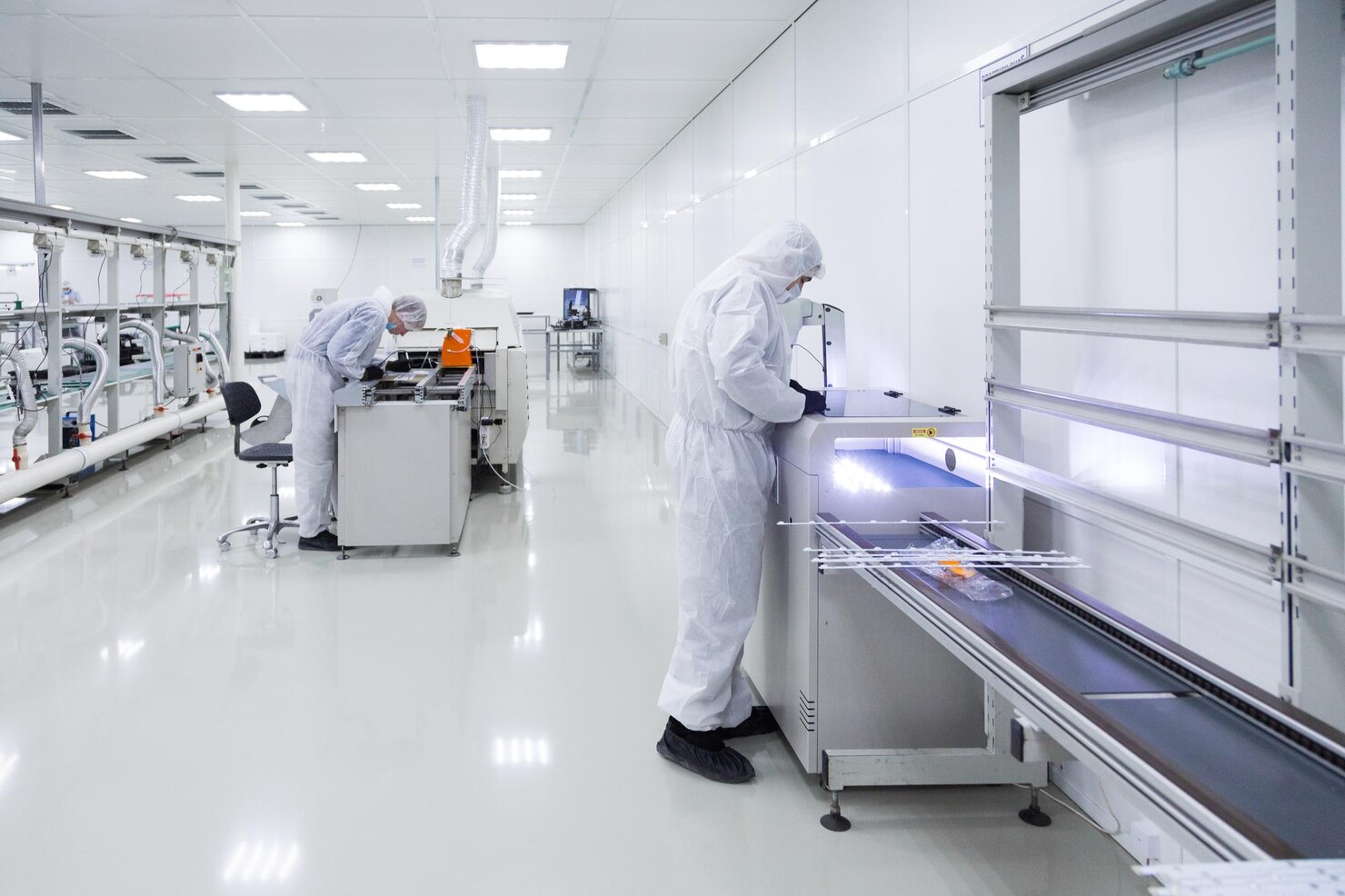
Maintaining Pharmaceutical Cleanroom Compliance Through Professional Cleaning
Pharmaceutical and biotech cleanroom cleaning requires specialized expertise beyond standard commercial cleaning capabilities. Orange County‘s concentrated life sciences industry in Irvine, Lake Forest, and surrounding areas demands cleaning services that truly understand ISO classifications, GMP compliance, and contamination control.
Proper cleanroom cleaning protects product quality, maintains regulatory compliance, and supports successful operations. The investment in specialized services prevents the costly consequences of contamination events, regulatory violations, or compliance failures.
At EBS, we’ve served pharmaceutical and biotech facilities throughout Orange County and Southern California for over 65 years. We maintain specialized training programs, cleanroom-appropriate materials and equipment, and documentation systems supporting regulatory compliance.
Get a free cleanroom assessment for your Irvine, Lake Forest, or Orange County pharmaceutical facility. EBS provides ISO-compliant cleanroom cleaning services for biotech research laboratories, pharmaceutical manufacturing, contract research organizations, and medical device facilities throughout Southern California. Contact us today at (800) 558-9815 or request your free consultation online. Let’s discuss cleanroom cleaning programs protecting your product quality and regulatory compliance.