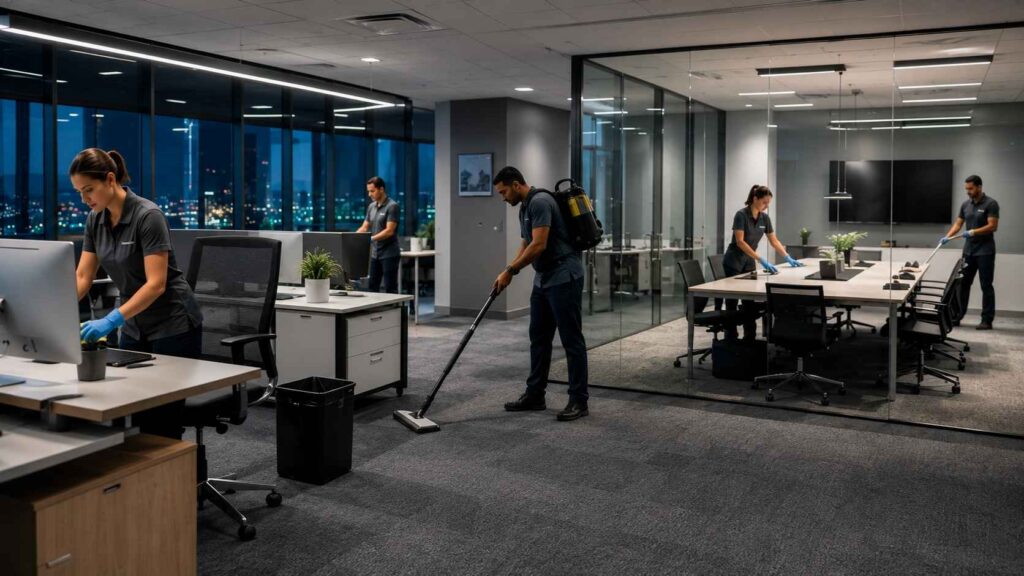
Keeping a workplace clean goes far beyond making a good first impression. A structured office cleaning checklist helps businesses maintain a healthier environment, improve employee productivity, extend the life of office assets, and create a professional atmosphere for clients and visitors. Whether you manage a small office or oversee multiple commercial properties, having a consistent cleaning plan ensures nothing important gets overlooked.
An organized cleaning routine also helps reduce the spread of germs, minimizes workplace disruptions caused by illness, and supports compliance with health and safety expectations. While many businesses rely on professional office cleaning services to handle these tasks, understanding what should be cleaned and how often helps facility managers and business owners make informed decisions. This guide covers a comprehensive office cleaning checklist, recommended cleaning frequencies, best practices, and answers to common questions to help you maintain a cleaner, healthier workplace.
Why Every Business Needs an Office Cleaning Checklist
A clean office isn’t just about appearances. It directly impacts employee well-being, customer confidence, and operational efficiency.
An effective office cleaning checklist helps businesses:
- Maintain a healthier indoor environment.
- Reduce the spread of bacteria and viruses.
- Improve employee morale and productivity.
- Create a positive first impression for visitors.
- Protect office furniture and equipment.
- Ensure consistent cleaning standards.
- Simplify quality control for cleaning teams.
Without a documented checklist, it’s easy for essential cleaning tasks to be forgotten or completed inconsistently.
Daily Office Cleaning Checklist

Daily cleaning focuses on high-touch areas and spaces that experience constant use throughout the workday.
Reception Area
The reception area shapes visitors’ first impressions.
Employee desks can quickly collect dust, fingerprints, and germs.
Daily tasks include:
- Vacuum or sweep floors
- Mop hard flooring
- Dust reception desks
- Sanitize door handles
- Clean glass entry doors
- Empty trash bins
- Straighten seating areas
- Wipe visitor tables
Workstations
Daily workstation cleaning should include:
- Empty trash containers
- Wipe desks (when permitted)
- Sanitize keyboards, mice, and telephones
- Dust monitors
- Clean chair armrests
- Remove visible fingerprints
Many companies include these tasks as part of their regular office cleaning services while respecting employees’ privacy.
Restrooms
Office restrooms require consistent cleaning to maintain hygiene.
Daily tasks include:
- Clean toilets and urinals
- Sanitize sinks and faucets.
- Refill soap dispensers
- Restock paper towels and toilet paper
- Clean mirrors
- Mop floors
- Empty waste bins
- Disinfect door handles and partitions
Proper office sanitation in restrooms significantly reduces the spread of germs throughout the workplace.
Break Rooms and Kitchens
Shared kitchens are among the highest-risk areas for bacteria.
Daily cleaning includes:
- Wipe countertops
- Sanitize tables
- Clean sinks
- Disinfect appliance handles
- Empty trash and recycling
- Sweep and mop floors.
- Wipe microwaves
- Clean coffee stations
Conference Rooms
Meeting spaces should always be presentation-ready.
Daily checklist:
- Dust conference tables
- Wipe chairs
- Sanitize remote controls
- Clean whiteboards
- Empty trash
- Vacuum floors
- Disinfect shared equipment
Weekly Office Cleaning Checklist
Weekly cleaning focuses on areas that require more detailed attention.
Tasks include:
- Dust window sills
- Vacuum upholstery
- Clean interior glass partitions
- Dust baseboards
- Remove cobwebs
- Clean office plants
- Sanitize light switches
- Wipe cabinet exteriors
- Deep-clean kitchen appliances
- Polish stainless-steel surfaces
A consistent office cleaning routine helps prevent dirt buildup that becomes harder and more expensive to remove later.
Monthly Office Cleaning Checklist
Monthly cleaning addresses tasks that don’t require daily attention but are essential for maintaining a professional workspace.
Include:
- Dust ceiling vents
- Clean light fixtures
- Shampoo carpets (as needed)
- Deep clean hard flooring
- Wash interior windows
- Dust high shelves
- Sanitize storage rooms
- Clean behind furniture
- Polish wood furniture
- Check for mold or moisture issues.
Quarterly and Seasonal Cleaning Tasks
Certain maintenance tasks are best scheduled every few months.
Examples include:
- Professional carpet cleaning
- Floor stripping and waxing.
- Upholstery cleaning
- Exterior window cleaning
- Pressure washing entrances
- HVAC vent cleaning
- High dusting
- Deep disinfecting the entire office
- Furniture detailing
These specialized services are often included within broader commercial cleaning services plans.
High-Touch Surfaces That Need Extra Attention

Research consistently shows that frequently touched surfaces harbor significantly more germs than other office areas.
Pay close attention to:
- Door handles
- Elevator buttons
- Shared keyboards
- Light switches
- Conference room remotes
- Coffee machine buttons
- Refrigerator handles
- Water dispensers
- Printer touchscreens
- Handrails
In busy offices, routine workplace cleaning should prioritize these areas multiple times throughout the day.
Cleaning Frequency Guide
| Area | Recommended Frequency |
| Reception | Daily |
| Workstations | Daily |
| Restrooms | Daily (multiple times for busy offices) |
| Break Rooms | Daily |
| Floors | Daily |
| Windows (Interior) | Monthly |
| Carpets | Quarterly |
| Upholstery | Quarterly |
| HVAC Vents | Semi-annually |
| Exterior Windows | Quarterly or as needed |
Best Practices for Office Cleaning

A checklist works best when paired with proven cleaning practices.
Use EPA-Approved Disinfectants
Effective disinfectants help eliminate bacteria and viruses while protecting office surfaces.
Color-Code Cleaning Supplies
Using separate cloths and mops for restrooms, kitchens, and workspaces helps prevent cross-contamination.
Follow Manufacturer Guidelines
Computers, monitors, electronics, and specialty furniture often require specific cleaning methods to avoid damage.
Empty Trash Before It Overflows
Overflowing waste bins create unpleasant odors and attract pests.
Improve Indoor Air Quality
Regular dusting, vacuuming with HEPA filters, and HVAC maintenance contribute to healthier indoor air.
Document Cleaning Activities
Professional cleaning companies often use inspection checklists and quality control reports to ensure consistent service.
Should Businesses Hire Professional Office Cleaning Services?
Many organizations discover that maintaining a complete office cleaning checklist internally becomes difficult as operations grow.
Professional cleaning providers offer:
- Trained cleaning technicians
- Commercial-grade equipment
- Industry-approved disinfectants
- Consistent cleaning schedules
- Customized cleaning plans
- Quality inspections
- Compliance with workplace safety standards
For businesses with larger facilities or multiple locations, outsourcing commercial office cleaning often delivers more reliable results while allowing employees to focus on their primary responsibilities.
Common Mistakes Businesses Make
Even businesses that prioritize cleanliness sometimes overlook important details.
Common mistakes include:
- Cleaning only visible surfaces
- Ignoring high-touch points
- Using the wrong cleaning products
- Skipping deep cleaning
- Inconsistent schedules
- Neglecting shared spaces
- Failing to disinfect electronics
- Waiting until carpets appear dirty
Avoiding these issues helps create a cleaner, safer, and more professional work environment.
How Office Cleaning Supports Employee Productivity
Clean workplaces influence more than appearance.
Employees generally perform better in organized, sanitary environments because they experience:
- Fewer distractions
- Better indoor air quality
- Reduced exposure to germs
- Higher workplace satisfaction
- Greater confidence in employer health standards
A well-maintained office also reinforces professionalism during client visits, interviews, and business meetings.
Supporting Your Facility with Professional Cleaning Solutions
Every office has unique cleaning requirements depending on its size, occupancy, and industry. While an internal checklist helps maintain consistency, many businesses combine it with professional support for more comprehensive results.
Services such as Office Cleaning Services, Janitorial Services, Commercial Cleaning Services, and Facility Maintenance Services can be tailored to meet daily, weekly, and long-term maintenance needs. Working with experienced cleaning professionals ensures that routine tasks, deep cleaning, and specialized sanitation are completed efficiently while helping businesses maintain a safe and welcoming environment.
Frequently Asked Questions
1. What is an office cleaning checklist?
An office cleaning checklist is a structured list of cleaning tasks organized by frequency daily, weekly, monthly, or quarterly- to ensure every area of a workplace is cleaned consistently.
2. How often should an office be professionally cleaned?
The ideal schedule depends on occupancy, business type, and foot traffic. Most offices benefit from daily or several-times-per-week professional cleaning, while deep cleaning is typically scheduled quarterly.
3. What areas should receive the most attention during workplace cleaning?
High-touch surfaces such as door handles, keyboards, phones, restrooms, kitchen areas, and shared equipment should be cleaned and disinfected frequently.
4. Why is office sanitation important?
Proper office sanitation helps reduce the spread of bacteria and viruses, supports employee health, and contributes to a safer, more productive work environment.
5. What’s the difference between office cleaning and commercial office cleaning?
Office cleaning generally focuses on office spaces, while commercial office cleaning may include larger facilities, multiple floors, specialized equipment, and industry-specific cleaning requirements.
6. Should businesses create their own office cleaning routine?
Yes. Establishing an office cleaning routine helps maintain consistency, though many businesses partner with professional cleaning companies to implement and manage it effectively.
7. Are professional commercial cleaning services worth the investment?
For many organizations, commercial cleaning services provide consistent quality, access to specialized equipment, trained staff, and customized cleaning schedules that support long-term facility maintenance.
8. How often should carpets and upholstery be deep cleaned?
Most offices benefit from professional carpet and upholstery cleaning every three to six months, depending on foot traffic and workplace activity.
9. Can regular office cleaning improve employee productivity?
Yes. A cleaner environment supports better indoor air quality, reduces illness-related absences, and creates a more comfortable workplace that encourages productivity.
10. What should businesses look for in office cleaning services?
Look for experienced providers with trained staff, quality assurance processes, customizable cleaning plans, commercial-grade equipment, and a strong commitment to safety and consistency.
Conclusion
A well-planned office cleaning checklist is one of the most effective tools for maintaining a healthy, organized, and professional workplace. By breaking cleaning tasks into daily, weekly, monthly, and seasonal schedules, businesses can reduce health risks, improve employee satisfaction, and protect valuable office assets. Consistency is the key to long-term cleanliness, whether routine tasks are handled in-house or through experienced professionals. For organizations seeking dependable cleaning support, EBS Maintenance provides customized solutions designed to meet the unique needs of commercial facilities. From Office Cleaning Services and Janitorial Services to comprehensive Commercial Cleaning Services and Facility Maintenance Services, partnering with an experienced team can help businesses maintain cleaner, safer workplaces while allowing staff to focus on what they do best.